
Housing Tenure and Monetary Policy Preferences in the UK
Published:
Individuals hold opinions about monetary policy decisions. Although policymakers focus on the evolution of aggregate variables such as output, inflation, and unemployment, households face different realities in terms of income levels and net financial wealth. As a result, they may have different preferences regarding the path of policy rates, which can diverge from general equilibrium objectives.
In this blog, I present some stylized facts about households’ opinions on monetary policy. I focus on the case of the United Kingdom (UK) and use data from the Bank of England’s Inflation Attitudes Survey (IAS) to measure households’ preferences regarding changes in both interest rates and inflation.
First, consider preferences over interest rate movements. The figure below reports the shares of responses to the following question: And which would be best for you personally—for interest rates to go up over the next few months, or to go down, or to stay where they are now, or would it make no difference either way?
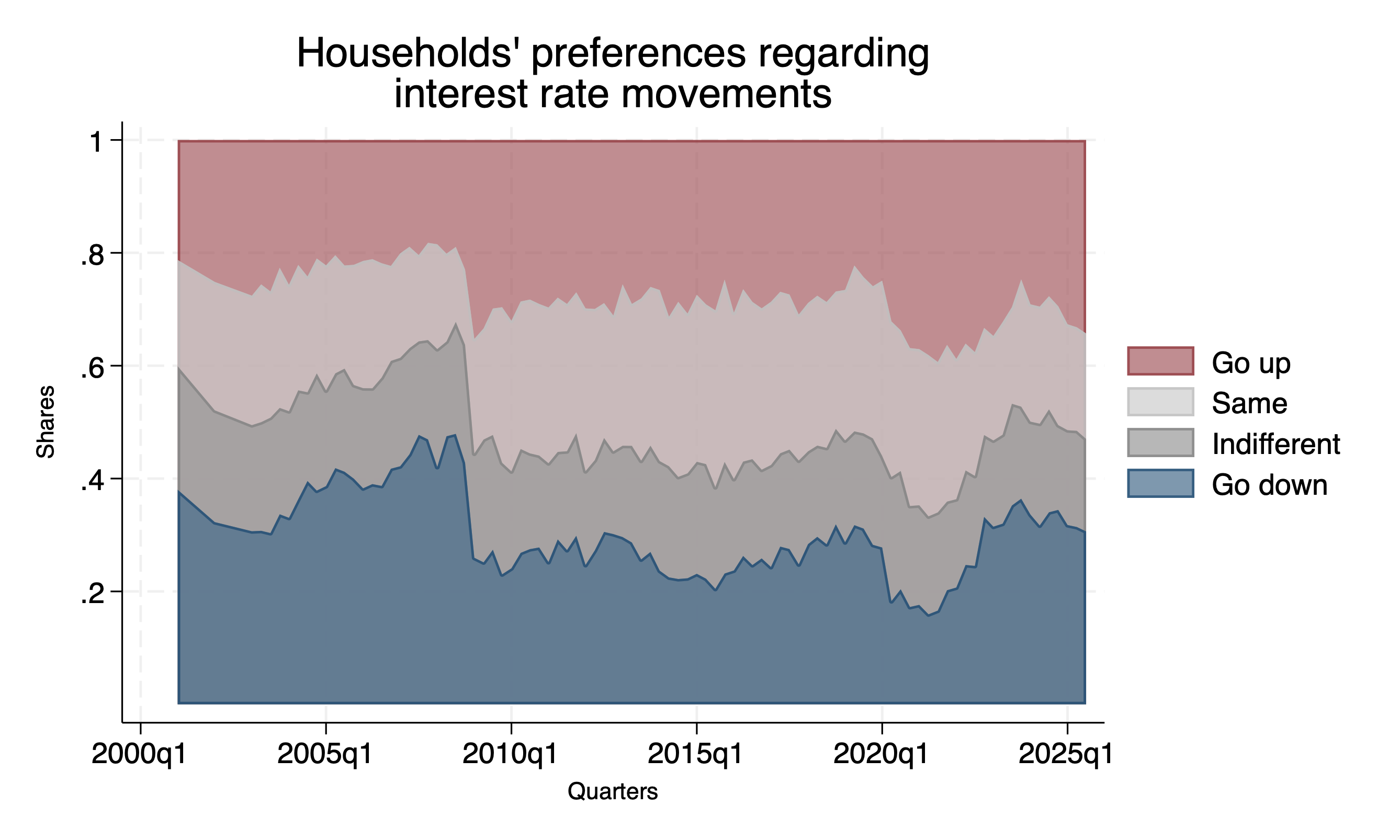
Figure 1. Households’ preferences regarding interest rate movements.
The share of responses indicating indifference toward interest rate movements remains relatively stable over time. However, there is a structural break in the aftermath of the Great Recession. In the period prior to the crisis, there was a clear upward trend in the share of respondents preferring lower interest rates. After the crisis, this trend reverses, accompanied by a higher share of responses favoring higher interest rates and a relatively stable share preferring no change.
This pattern is consistent with the fact that central banks implemented highly expansionary monetary policies to counter the crisis. A similar pattern emerged during the Covid-19 pandemic, which can also be explained by the subsequent surge in inflation.
To analyze heterogeneity across households, we can consider several dimensions, such as income, age (to capture life-cycle effects), education, and gender, among others. In this post, I focus on housing tenure status, classifying individuals into three groups: renters, mortgagors, and outright homeowners (hereafter, owners). This characteristic not only reflects households’ property wealth but also their balance sheet positions.
Owners hold substantial housing wealth and typically higher net financial wealth, making them net savers with easier access to financial markets. Mortgagors, in contrast, are wealthier in terms of housing assets but face debt obligations and collateral constraints, making them net borrowers. Finally, renters generally do not own property and tend to hold fewer financial assets compared with the other groups (Cloyne et al., 2020).
Given these differences in financial positions, households may also differ in their preferences regarding interest rate movements. The next figure presents the shares by housing tenure group and reveals several interesting patterns.
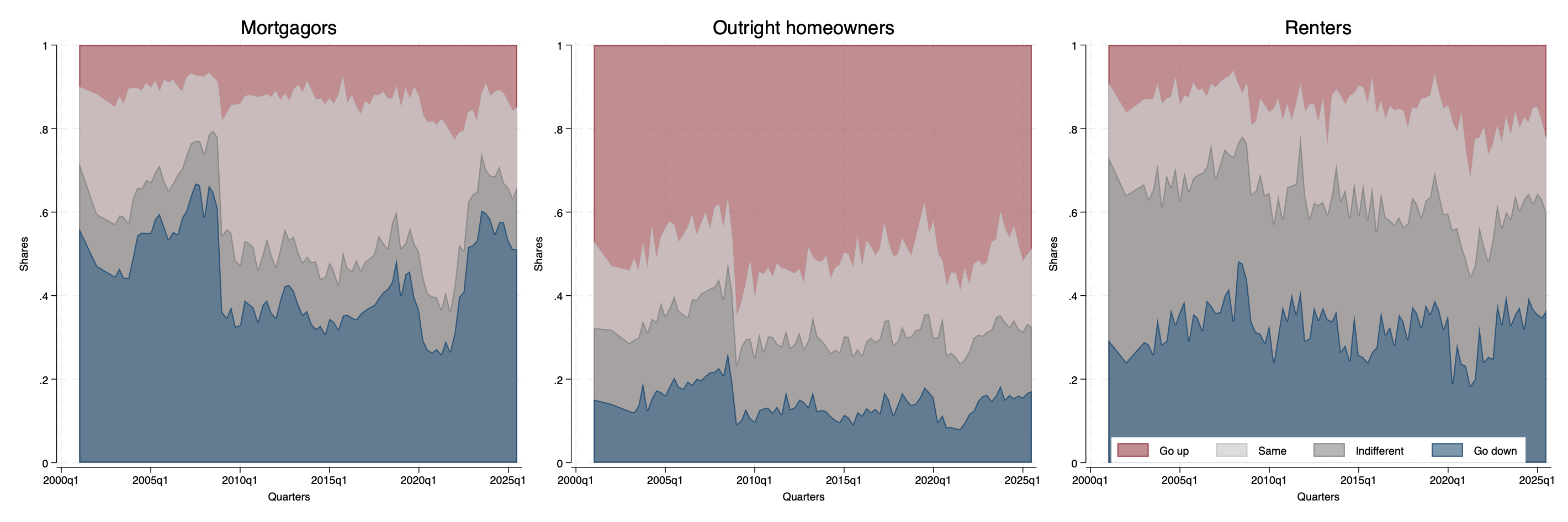
Figure 2. Preferences regarding interest-rate movements by housing tenure.
Mortgagors show a stronger preference for interest rates to decrease. This is straightforward to understand, as they seek lower interest payments, especially in the UK, where most mortgage contracts are adjustable-rate (Rubio, 2011), making them highly sensitive to monetary policy decisions. The next most common preference among mortgagors is for interest rates to remain stable. They may value lower uncertainty in economic conditions to better manage their borrowing commitments.
Owners exhibit the opposite pattern: roughly half clearly prefer higher interest rates. There are two potential explanations for this. First, as net savers, higher interest rates are associated with higher returns on savings. Second, since higher interest rates tend to stabilize inflation, owners may prefer greater price stability to avoid erosion of the real value of their financial assets.
Finally, renters do not display a clear preference regarding interest rate movements; the dispersion of responses is relatively even. Nevertheless, they are the group with the highest proportion of respondents indicating indifference to rate changes. This may reflect their more limited participation in financial markets, given their lower borrowing and saving rates. They may instead prioritize other macroeconomic variables, such as the unemployment rate. At the same time, renters tend to prefer interest rate reductions over increases, possibly reflecting a desire to access borrowing markets in the future, particularly if they aim to purchase a home.
What about perceptions of past interest rate movements by housing tenure? The IAS includes the following question: I would now like to ask about interest rates. How would you say interest rates on things such as mortgages, bank loans, and savings have changed over the last twelve months?
I construct an index ranging from −2 to 2 based on the responses to this question. Negative values indicate an aggregate perception that interest rates have decreased, positive values indicate perceived increases, and values close to zero reflect a perception of little or no change.
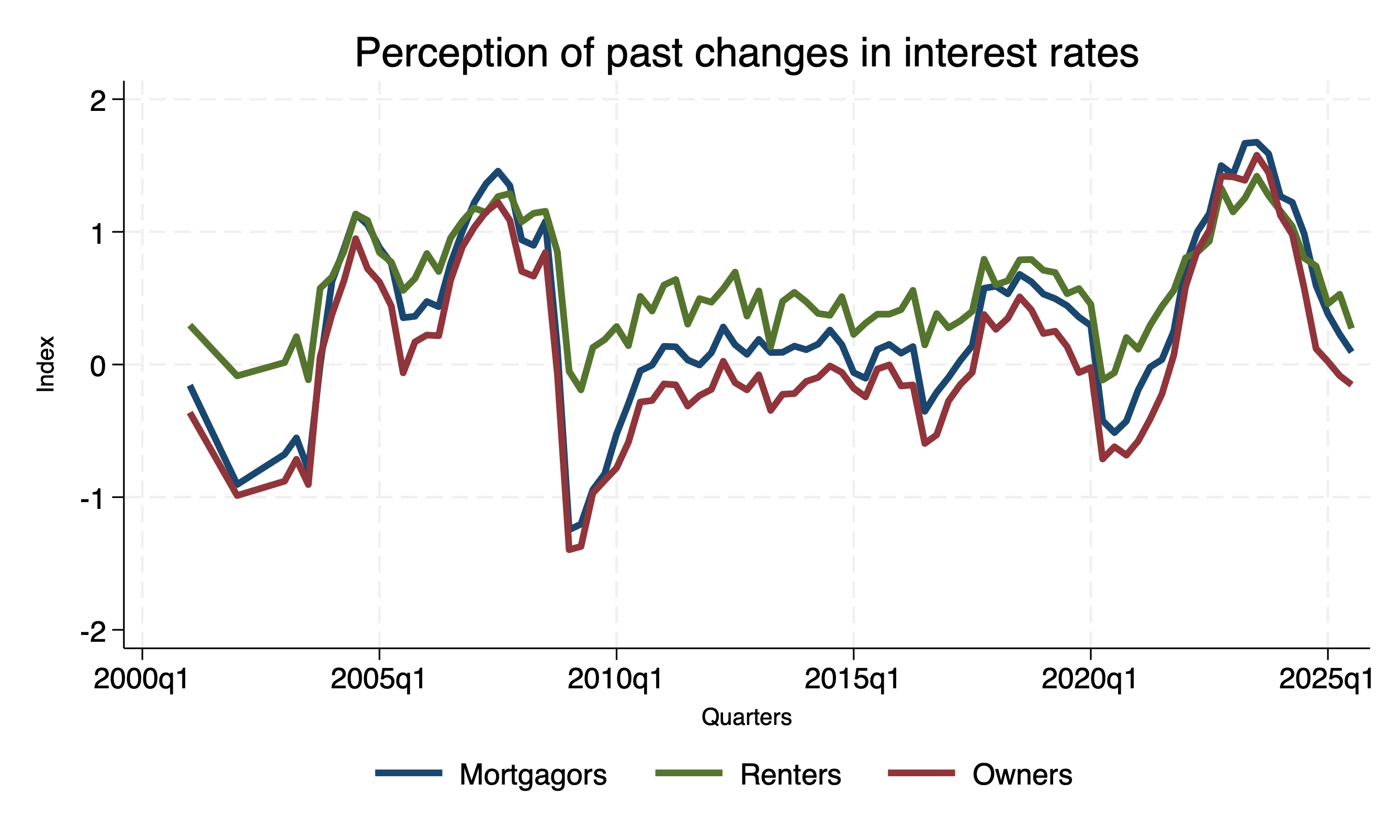
Figure 3. Perception of past changes in interest rates by housing tenure.
The trend is broadly similar across groups and reflects the aggressive monetary policy responses during the Great Recession, the Covid-19 pandemic, and the subsequent inflation surge. However, there are cross-group differences in the magnitude of these perceptions. Mortgagors and owners exhibit relatively similar index values, whereas renters perceive interest rates as having increased more sharply than the other groups.
This divergence persists even during periods without major economic crises or inflation spikes. In many episodes, owners report a stronger downward correction in perceived interest rates than mortgagors. Overall, households tend to perceive changes in interest rates in a direction that contrasts with their stated preferences.
Finally, I would like to discuss the trade-off between interest rates and inflation. The IAS also includes the following question: If a choice had to be made either to raise interest rates to try to keep inflation down, or keep interest rates down and allow prices in the shops to rise faster, which would you prefer?
The next figure shows the evolution of the share of households who prefer higher interest rates in order to stabilize inflation. The remaining share corresponds to individuals who prefer lower interest rates, even at the cost of higher inflation.
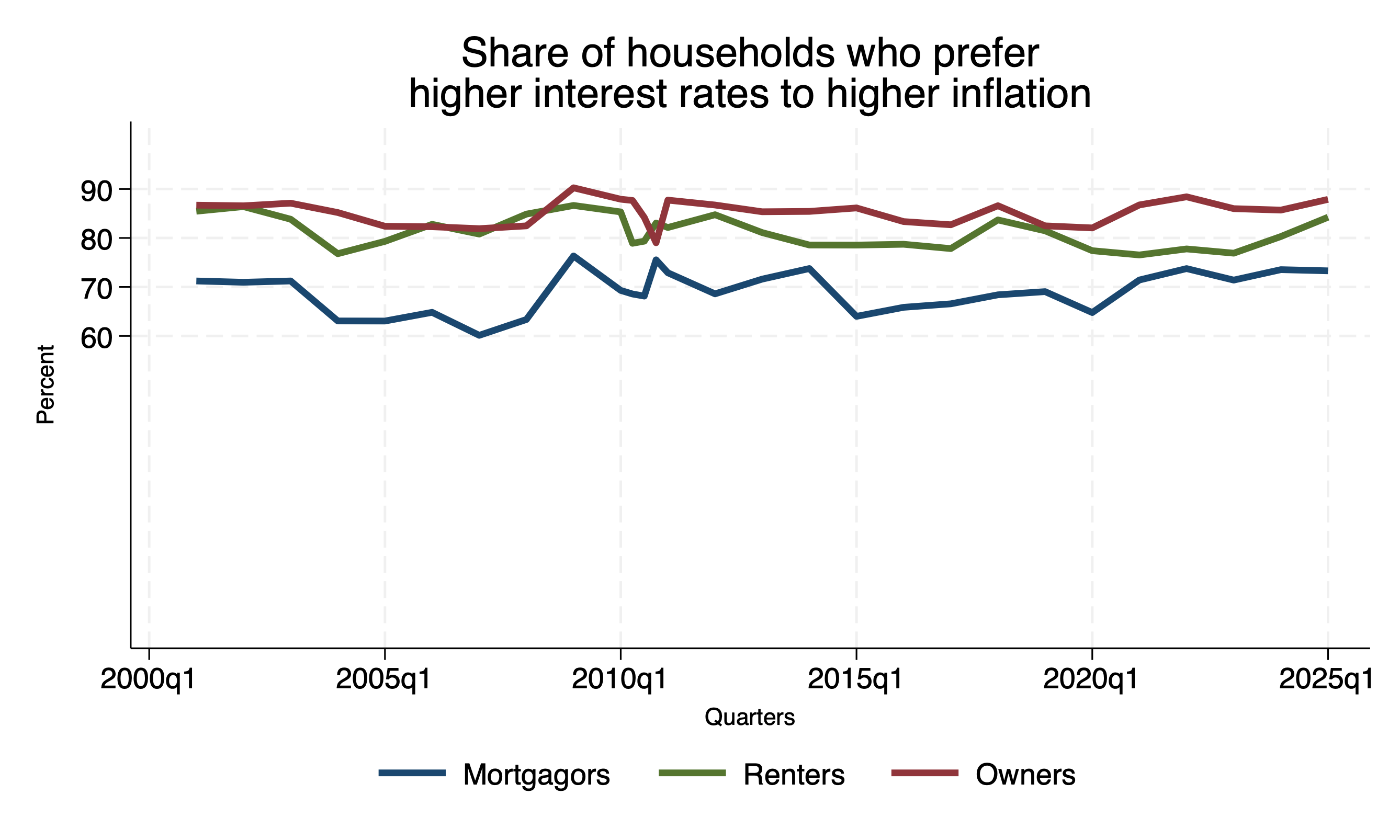
Figure 4. Share of households who prefer higher interest rates to higher inflation.
The results indicate that the shares remain relatively stable over time and across groups. Despite changes in macroeconomic conditions and episodes of high inflation, households tend to maintain consistent preferences, with a clear predominance in favor of inflation stabilization, even if this requires higher interest rates. The proportion of respondents supporting this view ranges between 60% and 90%.
In other words, the evidence points to a strong aversion to inflation. However, mortgagors exhibit a lower share of this preference (approximately 10 percentage points less than the other groups). This may be explained by their debt exposure, as higher interest rates directly affect their budgets.
The divergence in preferences regarding interest rate movements may affect the process of subjective expectation formation. In this sense, not only the level of attention that households pay to macroeconomic variables matters, but also their preferences and value judgments about policies may contribute to heterogeneity in expectations.
References
Cloyne, J., Ferreira, C., & Surico, P. (2020). Monetary policy when households have debt: New evidence on the transmission mechanism. The Review of Economic Studies, 87(1), 102–129.
Rubio, M. (2011). Fixed- and variable-rate mortgages, business cycles, and monetary policy. Journal of Money, Credit and Banking, 43(4), 657–688.